Bookkeeping Archivi - Studio Garoli | Avvocati Associati Cremona
97
archive,category,category-bookkeeping,category-97,ajax_fade,page_not_loaded,,select-child-theme-ver-1.0.0,select-theme-ver-3.1,wpb-js-composer js-comp-ver-4.11.2.1,vc_responsive

SAP Finance Management Accounting Manager Tech Consulting Open Location Job Details EY

Project-based accounting recognises revenue through a percentage of completion, completed contract, cost recoverability and instalments. Each method has its specific application and is chosen based on the nature of your project, industry standards, and the certainty of collection payment. Simple missteps can lead to inaccurate reporting, budget overruns, or even project failure. Recognizing these mistakes and taking proactive steps to avoid them is crucial for ensuring project success.

To thrive in this role, you’ll need a strong foundation what is project accounting in managing processes and solutions with an emphasis on quality and risk management. Your ability to engage in research and apply best practices will be key to driving innovation. Join our dynamic team as a Technology Business Analyst Manager, where you will bridge the gap between business needs and technical solutions. You’ll be instrumental in analyzing business models and processes to capture requirements that translate into technical specifications. Your role will be pivotal in ensuring that the system architecture solutions align with business objectives.

Implement project accounting software and you will gain a comprehensive view of your project finances, and easily track budgets, expenses, billing, and revenue to ensure financial viability and control. It involves monitoring all direct costs, such as materials and labor, and indirect costs, like administrative overheads. For instance, in the construction industry, tracking expenses for building materials and subcontractors helps prevent budget overruns. Accurate cost tracking provides real-time data, enabling businesses to adjust spending and stay on target. Traditional accounting focuses on the overall financial health of a company, encompassing all revenues and expenses. In contrast, project accounting breaks this down by individual projects, enabling businesses to see which initiatives are profitable and which are draining resources.

Failing to adjust budgets or monitor progress can result in significant cost overruns. For example, a construction company building a commercial complex underestimated labor costs due to wage inflation, resulting in a $1 million budget overrun. To avoid such scenarios, regular reviews of project budgets and progress metrics like earned value are essential. As the project progresses, all expenses, invoices, and employee labor hours need to be recorded against the project account. This step is crucial for maintaining transparency and avoiding budget overruns.

At the initiation phase of the project, project accountants participate in initial budget estimation and cost-based analysis, which means they might be asked the questions that follow below. Once you have a complete picture of your projected costs and revenues, you’ll be able to utilize project accounting to the fullest extent. In this final phase, project managers complete the project’s financial records and close out any outstanding accounts. Project accounting makes creating project reports much easier, as they follow every minor and major expense a project has to go through.

Resource Management Feature Sheet

By being able to identify the costs and economic opportunities involved in specific projects, project managers and other stakeholders can build an understanding of how to grow their business. The biggest difference between project accounting and standard accounting in its general form is that project based accounting only refers to one specific project. It’s the practice of tracking all of the project financials in one dedicated accounting system to enable real time visibility over the costs involved and revenue earned. Whether you’re an experienced contractor or a small business owner, understanding the difference between fixed and variable overhead is critical for efficiently managing your project’s budget. You may enhance your financial planning and get greater control over your profits by appropriately allocating these expenses. In this post, we’ll look at fixed vs. variable overhead in construction, what each term implies, how it affects your organization, and how understanding these distinctions may lead to better cost management.

A detailed resource management plan is the easiest way to make your project accounting more accurate. Because you’re monitoring your resource use so closely within the context of a specific project, you’ll be far more alert to the scheduling and costing issues that can eat into your profit margins. As well as understanding and tracking project costs, a project accountant needs to be able to accurately identify how much money a project will earn the organization. Misreporting employee hours is another common mistake, especially in industries like consulting or IT services where labor accounts for a significant portion of costs. A real-life example involves an IT firm that faced revenue losses because contractors didn’t log their hours correctly, impacting billing accuracy. Implementing time-tracking tools like Toggl or ClickUp can solve this by streamlining time-entry processes and integrating them with project accounting systems.

It is different from balancing a profit and loss account or using the services of a certified public accountant because it is unique to a specific project. Understanding the financial aspect of the project well means clearly seeing figures you can compare. Looking at Planned vs. Actual cost, profit, and revenue, gives project managers and accountants the true picture of the project’s progress. Additionally, out of all the numbers you have in front of you, you might want to track the profit margin.

  • Stakeholders and sponsors of projects don’t often understand how money is spent on projects, but lenders are clear about financial accounting principles.
  • Due to this strong correlation, project accountants should clearly understand key project management concepts to do their job successfully.
  • Keeping a check on finances is crucial for any business, as it helps understand profit/loss, revenue generation, efficiency, and much more.
  • Forecast’s AI already helps to solve this kind of problem, by learning from past projects and making credible suggestions.
  • Regular team meetings and shared dashboards on platforms like QuickBooks or ClickUp can foster collaboration and keep everyone aligned.

Though convenient for subscription businesses, recurring billing comes at a cost. Reviews, recommendations, and trial versions are there to help you find an easy-to-use program with great features. I’ll give you more details on tracking your expenses in Wrike later in this post. If you have a small team, it can be as simple as creating a shared folder for your receipts and an agreed system for naming the files so you know what you’re looking at later. Accounting information from one project can also be used to estimate the costs and opportunities of future work, even if it is only a guide. How tightly does your business monitor every cost, every expenditure, every charge, every business expense?

Improve Communication Between Departments

In Forecast, time tracking goes hand in hand with the rest of the project and resource management features. Registering time, your teams can see it reflected on the project’s progress, while you can monitor project cost carefully. The only thing you need to set this mechanism in motion is to fill in the rate cards for each role and foster a time registration culture.

  • In her professional opinion, though some similarities between general and project accountant jobs do exist, there are a couple of differences as well.
  • AccountsGPT forecasts sales, analyzes scenarios, and ensures compliance across multiple jurisdictions—all while seamlessly integrating with Xero and Excel.
  • Whether you’re an experienced contractor or a small business owner, understanding the difference between fixed and variable overhead is critical for efficiently managing your project’s budget.
  • Moreover, in case you spot any potential problems with your project, it’s crucial to take action right away.
  • However, these changes tend to be less frequent and more predictable than variable costs.

The Ultimate Guide to Construction in Progress: Accounting, Management, and Key Differences

For example, imagine you’ve set up a folder with all the expenses for a project your team is completing in Q2. Tracking your income and expenses as they arrive is the cornerstone of project accounting. With Wrike, you can do it automatically and in real time — and ditch your accounting spreadsheets for good. In project accounting, you “recognize” revenue in your financial statements at certain milestones of each project rather than at the end of the financial period. This gives you a more accurate picture of how profitable your project has been.

How to find good project accounting software

It’s also true that when assigned to projects, whoever handles project accounting, they are often expected to play the role of financial gatekeepers and advisors. They are not only responsible for tracking project finances and reporting the results to management, but also explaining to the project team how decisions being made affect the project budget. That’s why project accounting is turning into a skill that all project managers need to qualify for today. According to Project Management Institute, the scope of the project manager’s job is expanding. As organizations become more project-oriented, project managers have to be more financially savvy.

What’s more, project accounting is extremely valuable when it comes to estimating expenses for future projects. It allows business owners and project managers to easily generate reports and make predictions as well as keep relevant stakeholders informed. Project accounting dramatically reduces the risk of projects failing to deliver on expectations. It’s an active form of project management that allows key decision makers to identify the reasonable benefit of a project and monitor the costs of delivering it in real time.

To make your job costing more accurate (and your project accounting easier), you’ll need a fixed process for recording your costs. It can also be more effective to break large costs (like the video) into more specific expenses (like equipment hire and insurance, the billable hours spent scouting a location, and editing costs). When thinking about what is project accounting and what it applies to, project accounting is used internally for project work at a micro level.

Over the years of building teams and scaling business processes, he has successfully deployed multiple projects, from automating client outreach to setting up work prioritization tools for sales reps and CSMs. The accounting team at Gheen & Co, a certified public accounting firm in Colorado, relies on Wrike to manage risks. If your team has worked together on a project before, this is also a good opportunity to ask for feedback. The people who use your workflows and know your clients well might have insights you can apply to make your resource allocation more efficient.

Wrike is a collaborative work management platform that tracks and automates your processes in a workspace tailored to your team. Our platform is ideal for project-based work because you can set up accounting dashboards, folders, and workflows for all the individual projects you take on. Financial accounting manages ongoing business concerns that need to be measured, is the single source of truth reported to auditors, and is focused on cost centers (departments) with a duration fixed to a year. Project accounting is focused on tasks and projects with durations having a start and end date based on a project timeline. A project accounting annual report includes an executive summary that captures the essence of the project’s financial health and progress.


What Is Cost Accounting? Definition, Concept, and Types

what do you mean by standard costing

It is used to motivate employees to work efficiently because variances and responsibility can be identified more easily – National Association of Accountants, U.S.A. It determined by the management of a business using different factors to maximize the profits of a business by reducing the costs of the business while also maximizing its earnings. Standard costs are the costs that the management of the business wish to achieve in order to maximize the profitability of the business through efficient use of resources. Some valuable items that cannot be measured and expressed in dollars include the company’s outstanding reputation, its customer base, the value of successful consumer brands, and its management team. As a result these items are not reported among the assets appearing on the balance sheet. Things that are resources owned by a company and which have future economic value that can be measured and can be expressed in dollars.

New Business Terms

what do you mean by standard costing

Standard costing is a cost accumulation method that makes use of predetermined amounts known as standard costs. These standard costs could be based on historical data, past experiences, market averages, and other relevant bases. Absorption costing has both benefits and drawbacks depending on how a company uses it for financial reporting and decision-making. While it ensures compliance with accounting standards and Accounting For Architects provides a more complete view of product costs, it may not always be the most effective method for internal cost analysis. A firm may set standards at an ideal level or at the attainable level or at the basic level depending on the objective it desires to achieve through the standard costing system.

  • In particular, standard costing provides a benchmark against which management can compare actual performance.
  • In small concerns, production cannot be properly scheduled since frequent changes in production conditions take place.
  • A firm may set standards at an ideal level or at the attainable level or at the basic level depending on the objective it desires to achieve through the standard costing system.
  • Calculating standard costs involves a meticulous process that integrates various data points to establish a reliable cost framework.
  • These variances can be favorable or unfavorable, depending on whether the actual costs are lower or higher than the standard costs.

Standard Cost: An Integral Aspect of Professional Engineering

Now, let’s move on to the steps to implement standard costing in your business. With Sage Intacct, for example, you’re empowered to make smarter decisions that optimize inventory levels, set efficient reorder points and quantities, and use working capital more efficiently. Standard costs are also known as “pre-set standard costing system costs”, “predetermined costs” and “expected costs”.

  • Imagine these types of problems happening all the time, making it very difficult to keep track of the actuals.
  • This method helps you stay on budget and make better financial decisions.
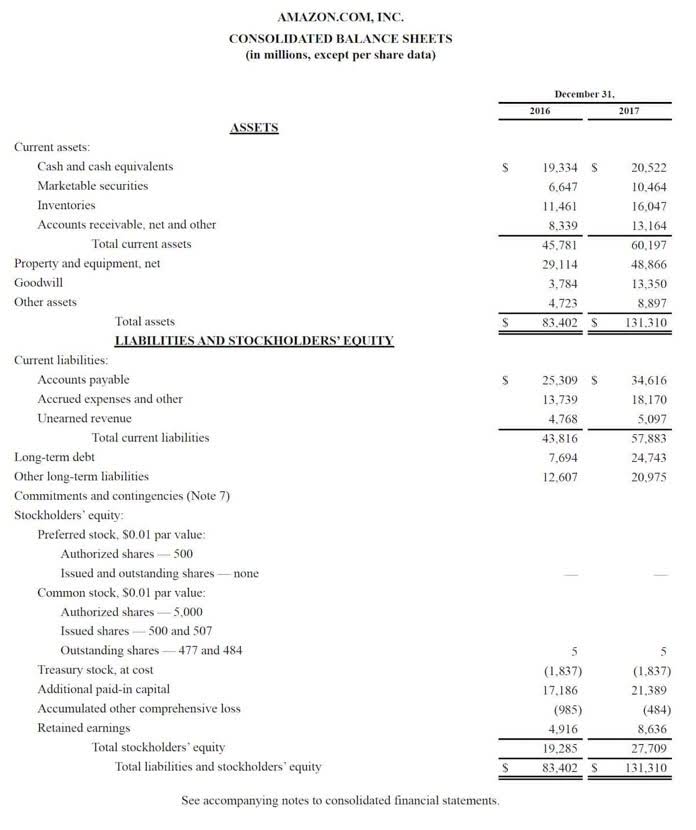
  • The balance sheet reports the assets, liabilities, and owner’s (stockholders’) equity at a specific point in time, such as December 31.
  • Any differences between these standard costs and the actual costs incurred are known as variances.
  • However, the expression ‘reasonable’ is vague; it is very difficult to assess at what point, above actual costs and below ideal costs, the standard should be set.

Pre-Requisite # 7. Efficient Accounting System:

what do you mean by standard costing

The cost of sale account and financial statements record only the actual costs. Such costs pre-determined by the company are used as the target costs by the company for comparing it with actual costs, and the difference will be the variance. Businesses should update their standard costs periodically, typically on an annual basis. However, if there are significant changes in market conditions, raw material costs, or production processes, standard costs may need to be adjusted more frequently. The standard cost can be thought of as the target cost – the amount you aim to spend on a project. Any differences between these standard costs and the actual costs incurred are known as variances.

what do you mean by standard costing

  • Engineering-driven standards for usage of resources are set, which are translated into monetary value by using budgeted prices.
  • Manufacturing overhead costs refer to the costs within a manufacturing facility other than direct materials and direct labor.
  • One of the primary benefits of standard costing in budgeting is its ability to streamline the forecasting process.
  • For instance, a favorable material variance might indicate successful negotiations with suppliers or more efficient use of raw materials.
  • Standard costs are the conclusions of managers and accountants as what something should cost.
  • The Standard Cost system is a management tool that is closely tied to budgeting and financial planning within the realm of engineering.

Many firms compute rate and expenditure variance as and when costs are incurred. Usage and efficiency variances are computed at the time of crediting control accounts. Magnimetrics’ Standard Costing Variance Analysis QuickBooks template is a great tool to help you track performance against your company’s pre-set standards.

what do you mean by standard costing

Direct Costs vs Indirect Costs: Definition, Examples And How To Calculate

Misclassifying costs can lead to financial inaccuracies and compliance issues. Properly managing direct costs can significantly impact a company’s bottom line. Businesses that fail to control these costs may struggle with thin profit margins, inefficient budgeting, and inaccurate financial reporting. This means that you spend 25 cents on indirect costs for every dollar you earn. If your direct costs are also high, you won’t be turning much of a profit. The tire manufacturer can’t trace the electric bill back to a specific cost object or product because the electricity is used to make all the products produced by the manufacturer.

Indirect and overhead costs are two different terms signifying the similar expenses that a company incurs. The indirect or overhead costs include all general expenditures a firm incurs to carry out multiple business functions. Then, you divide the total indirect costs by the total units of the chosen allocation base and multiply that rate by the number of units used by the costs object. Let’s get a better idea of the difference between direct and indirect costs by exploring some common examples. The classification of total costs into direct and indirect costs allows management to take important decisions to survive and grow in the era of cut-throat competition, by adopting different cost strategies. Indirect variable cost is not directly related or traceable to each unit of the product but it varies as per the output, for e.g. electricity bill in the manufacturing industry.

  • Historically, NIH has reimbursed indirect costs based on negotiated rate agreements with grantees.
  • For example, you can use scheduling and workload balancing tools to avoid employee burnout and avoid overtime costs.
  • Harvard’s current rate is 69 percent — meaning for every dollar spent on research, 69 cents is allocated toward indirect costs.

How to set up an indirect cash flow forecast:

On the other hand, fuel costs for a transportation company, such as a courier service or a long-haul trucking firm, would be a direct cost because they are an expense incurred directly to provide a service. Business owners and financial leaders encounter a number of distinct challenges in calculating their direct costs. They are incurred as a direct result of producing the product or delivering a service and can be traced back to a specific product, project, or department. We collaborate with business-to-business vendors, connecting them with potential buyers. In some cases, we earn commissions when sales are made through our referrals.

Combined, direct and indirect costs represent all of the expenses incurred to run a company’s day-to-day business operations. Harvard received more than $488 million from the NIH in grants in fiscal year 2024, nearly one third of which covers indirect expenses. Harvard’s indirect cost rate — the percent of federal funding that covers administrative costs of research — is currently 69 percent, the largest of any Ivy League school. Direct costs play a crucial role in business operations, financial management, and profitability.

Fixed costs are expenses that are the same regardless of how many goods or services you produce. Generally referred to as overhead, indirect costs cannot be traced directly to a cost object. The fixed costs remain the same even if there is a change in the number of units produced. For example, if one takes a car on lease and pays a lump sum every month, they can use it as much as possible. The lessor will not see how much the resource would be used and how many times.

Accounting: What Are Direct & Indirect Costs in Financial Statements?

Through data analysis, SRM software offers insights into spending patterns, supplier performance, and cost-saving opportunities. And while indirect cost rates vary wildly across the country, Massachusetts remains one of the states set to lose the most funding with a 15 percent cap. The state would have lost $539 million in indirect funding if the cap applied to their 2024 funding. Delays in raw material procurement or logistical challenges can increase direct costs.

Supplier Relationship Management (SRM) refers to the systematic approach organizations use to assess, manage, and optimize interactions with suppliers. Unlike traditional procurement practices that focus solely on cost-cutting, SRM emphasizes collaboration, long-term value creation, and risk mitigation. Most businesses think they have a handle on cash flow—until something unexpected throws everything off. A big customer pays late, suppliers demand early payments, or a sudden expense wipes out your buffer.

Which method is most suitable for your business?

This helps a company to calculate the overhead cost per unit so that prices can be set accordingly to ensure a profit is made on each product even after incorporating all indirect expenses. Managing direct costs effectively requires real-time tracking, automation, and data-driven decision-making. Deskera ERP provides businesses with powerful tools to optimize cost management, streamline operations, and enhance financial accuracy. Lowering direct costs without compromising quality leads to higher profits.

Why it’s important to know the difference between direct and indirect costs

This classification allows businesses to decide the price for any product or project using the broken down and classified information. Depending on your industry, you may have assets and expenses directly related to producing goods or services. In practice, it is possible to justify the classification of almost any expense as both direct and indirect.

  • Direct costs need to be properly tracked, measured and valued so they can be correctly attributed directly to a specific cost object, such as a product, service or business unit.
  • Not as wrong as before—but wrong enough if you’re only looking at one side of the equation.
  • To meet the guidelines, you should understand how to identify and allocate these expenses appropriately when applying for business grants.
  • But if your business expenses are greater than your revenues, you won’t stay afloat.

Supplier Portal

Indirect cost is the money that firms use to build resources that are not concerned with serving one but multiple purposes simultaneously. It not only facilitates production but also impacts the overall business and operations. For example, if a firm takes a production unit on rent, it does not utilize it to make one particular product only. Instead, the firm uses this rented premise for everything from production to packaging and dispatching the items. One of the best ways to take control over your direct costs is to improve your spend visibility by using specialized software to track costs in real time. These expenses are usually not included in the direct costs of construction, but they still impact the project’s final cost.

The most important step in improving your control over both direct and indirect costs is to set yourself up with a software stack that allows you to track current behavior. Indirect costs are expenses that cannot be directly linked to a specific cost object, though they may be necessary for overall operations. Direct costs are expenses that can be traced to a specific cost object and are directly related to the product or service you produce. When analyzing business expenditure, it’s common to categorize expenses as either direct or indirect costs. Ultimately, determining a reasonable indirect cost rate requires careful analysis of the specific circumstances of a project and the construction company involved.

Direct costs can be variable or fixed, but most fluctuate according to sales or production. To meet the direct cost definition, the expense should connect to core production or department operations and wouldn’t exist if the activity didn’t exist. The most common examples of indirect costs include the following expenditures, assuming they are not specific to a cost object, such as a product, service, department or project. Understanding the difference between direct costs and indirect costs is a critical aspect of proper accounting. Tracking each type of cost separately can help small businesses understand their cash flow, price their items properly and attain the maximum allowable tax deductions.

SRM software can also integrate with enterprise resource planning (ERP) systems, allowing for seamless data exchange between procurement and finance teams. This integration provides real-time insights into spending trends, supplier performance, and inventory levels, all of which help optimize procurement decisions. In today’s dynamic and interconnected business environment, organizations rely on a vast network of suppliers to sustain operations, drive innovation, and remain competitive. However, managing these supplier relationships effectively is a complex challenge, requiring businesses to balance cost efficiency, risk management, compliance, and strategic growth. Without a structured approach, organizations may face disruptions, supply chain inefficiencies, and missed opportunities for collaboration. Just like direct costs, indirect costs can be numerous, and will typically differ considerably from one industry to another.

Typically, an employee’s wages do not increase or decrease in direct relation to the number of products produced. By proactively managing direct costs with the right strategies and tools, businesses can optimize expenses, improve budgeting accuracy, and enhance overall financial health. Proper classification of direct costs is essential for accurate financial statements and tax compliance. Direct costs are included in COGS on income statements, affecting net income and tax liabilities.

While the university’s rate is higher than the 30 percent national average, the trend also is reflected across the state. Like Harvard, universities in the Boston area are similarly higher than the national average — with Tufts University at 65 percent, Boston University at 63.5 percent, and MIT with 59 percent. Unlock the secrets to a robust shareholder communication strategy with BDO’s latest insight. Discover what is an indirect cost definition how proactive engagement and transparency help ensure regulatory compliance but also fortify trust and drive long-term value amidst evolving business challenges. BDO’s team understands the unique challenges facing Research Institutions and nonprofit organizations. We are ready to support CFOs, grant administrators, and financial leadership as they adapt to this evolving regulatory landscape.

Wave Payments Review

To evaluate some more payment processing options that offer online invoice payments, head over to our list of the best payment processing companies. Wave’s business reports are on par with some of the top invoicing solutions companies for small businesses. Users can create reports to show month-to-month or year-to-year comparisons to easily identify cash flow trends. You can also receive unlimited income and expense tracking data, instant updates for invoicing, payroll and payments data and profit/loss reports.

Yes, Wave offers free accounting, invoicing, and receipt scanning services. However, there are paid features such as payroll and payment processing that come with additional costs. This makes Wave a cost-effective solution for small businesses and freelancers who need basic financial management tools without a hefty price tag. The Pro Plan is suited for growing businesses that require more advanced financial features. It’s ideal for companies in industries like professional services and mid-sized retail.

Accountant-friendly software

Square also offers invoicing and online payments as part of its small-business solutions. Square features include creating and sending unlimited invoices, scheduling invoices for recurring payments, and even saving a card on file to charge automatically. Businesses can also send payment requests via SMS text messaging or sharable links to give customers the most convenient way to pay. Customers can make payments with credit card and ACH bank transfers, as well as Apple Pay and Google Pay.

  • Wave Accounting’s pricing structure is lower cost compared to its competitors and offers good value.
  • Many, or all, of the products featured on this page are from our advertising partners who compensate us when you take certain actions on our website or click to take an action on their website.
  • The editorial content on this page is not provided by any of the companies mentioned and has not been reviewed, approved or otherwise endorsed by any of these entities.
  • An invoice by Wave won’t add tracked hours, won’t display discounts, and doesn’t allow file attachments.

Instant Payout is an additional service offered by Wave subject to user and payment eligibility criteria. The free accounting plan includes basic features suitable for freelancers and small businesses. For more advanced needs, such as additional users and automated transaction imports, Wave Accounting offers a paid plan priced at $16/business/month or $170/business/year. As businesses navigate the merchant fees list in Wave, they can leverage the provided information to conduct comparative analyses of payment processing costs across different card networks and transaction types. In this article, we will delve into the realm of merchant fees in Wave, a popular financial software platform designed to streamline accounting and payment processing for businesses.

By making things more convenient for your customers, they’re likely to pay you 3x faster.³Plus, you’ll enhance your brand and look more professional. We provide different levels of support, depending on the plan and/or the add-on features you choose. By making things more convenient for your customers, they’re likely to pay you 3x faster.³‍Plus, you’ll enhance your brand and look more professional. Users need to consider the safety and security features included with different Wave Accounting plans to protect their financial data.

Online payments =on-time payments

Businesses can access the dashboard online from anywhere they have an internet connection, which means they always have the ability to bill clients and see who hasn’t paid. Wave also handles general finance management, and with the right third-party integrations, it can support CRM, ecommerce, and email marketing as well. Wave’s dashboard organizes your info to show how your business is performing.

  • Industries that operate on a smaller scale or individuals who need straightforward accounting without the need for extensive email support will benefit the most from Wave Accounting.
  • The vendors that appear on this list were chosen by subject matter experts on the basis of product quality, wide usage and availability, and positive reputation.
  • Wave stands out with its free core features, making it a budget-friendly option compared to other financial tools that charge for similar services.
  • Wave Payments is an online payment processing and invoicing software that lets businesses accept online payments, bill customers through email and keep track of income records.
  • While there are costs for additional features like payroll, Wave’s pricing remains competitive, especially for small businesses and freelancers looking for cost-effective financial management solutions.

Wave Accounting offers a free Starter Plan, ideal for freelancers and small teams needing basic accounting features. For growing businesses, the Pro Plan, at $16/business/month, includes advanced features like priority support and transaction fee discounts. With our Pro Plan, you can unlock rates starting at 2.9% + $02 for the first 10 credit card transactions each month. They liked the features of Wave accounting but complain about lack of integration and slow performance. Some like that it’s free and easy to use – ideal for a small business even if it only offers basic functions.

Wave’s payroll service’s functionality is defined by whether you live in a state that allows a third-party service to file for you, or if you need to do it yourself. Want to look more polished, save more time, and conquer cash flow? Along with scalability, teams should also consider each wave processing fees plan’s individual features. Wave makes getting paid fast (we’re talking 1 to 2 days-fast1), frictionless, and fun. The vendors that appear on this list were chosen by subject matter experts on the basis of product quality, wide usage and availability, and positive reputation. As follows are some common user complaints and praise you’ll find online for Wave Payments.

Does Wave offer a free trial for its paid features?

While there are costs for additional features like payroll, Wave’s pricing remains competitive, especially for small businesses and freelancers looking for cost-effective financial management solutions. In my opinion, Wave Accounting offers impressive value for freelancers, small business owners, and startups looking for a free version of an accounting software solution. Its intuitive interface, coupled with strong functionality like invoicing features, expense tracking, and receipt scanning, makes it a standout option. The software integrates smoothly with major banks, allowing for effortless transaction imports. In the dynamic landscape of business finance, a nuanced understanding of merchant fees is a cornerstone of effective financial management. In conclusion, having a comprehensive understanding of merchant fees in Wave is paramount for businesses seeking to optimize their financial management and payment processing strategies.

Navigating the world of finance as a business owner can be a complex and daunting task, especially when it comes to understanding merchant fees. These fees are an integral part of processing payments and can have a significant impact on a company’s bottom line. In the realm of financial management, having access to a comprehensive list of merchant fees is crucial for making informed decisions and optimizing cost-efficiency. For payment processing reviews, we use a 24-point rubric to evaluate the provider. First, we look at pricing structure – interchange plus, subscription-based, tiered, or hybrid – giving the most points to providers that provide fair, transparent pricing and docking those that rely on tiered models.

Unlike a majority of its competitors, Wave does not have a comprehensive mobile app. While it does offer a free iOS and Android app, the app is limited in the number of features and functions. Users are not able to assign estimates to projects or track income and expenses by project. Martin Lunendonk is a senior tech writer specializing in website builders, web hosting, and ecommerce platforms. A lot of online reviews of Wave’s products center around the accounting solution, but some themes carry over to customer experiences regardless of the product. Wave offers a handful of integrations with other types of services that small businesses are likely to need.

Once those estimates are approved, they can easily be transformed into invoices with the click of a few buttons. We believe everyone should be able to make financial decisions with confidence. Any connections between you, your bank accounts, and Wave are protected by 256-bit SSL encryption.

What are the costs associated with Wave’s paid features?

In the digital age, where online transactions and electronic payments are the norm, having a clear understanding of merchant fees is paramount. Whether you operate an e-commerce store, a small business, or a thriving enterprise, being well-versed in the intricacies of merchant fees can directly influence your financial strategy and operational effectiveness. Accept all major credit cards so your customers can pay your invoices online, instantly. Wave’s standard transaction fees on the free Starter plan are lower than those you’ll pay on the free Square Invoices plan—Square charges 3.3% + $0.30 per invoice paid online on its free plan. However, the PayPal Invoicing transaction fee is slightly lower than Wave’s, at 2.9% + 0.30.

I was impressed by how easy it was to set up and run payroll, ensuring my team gets paid accurately and on time. You’ll find the tax filing and compliance features particularly useful, as they take the stress out of managing payroll taxes, allowing you to focus on other aspects of your business. With Wave’s receipt scanning feature, you can snap a photo of your receipts and upload them directly to your account. I found this feature incredibly convenient, and you will too, as it saves time and reduces the risk of losing important documents. Wave offers a variety of pricing plans to cater to different business needs.

Wave Accounting offers native integrations with various apps and services, including Google Drive, PayPal, and Stripe. Additionally, Wave Accounting can be connected to over 6000 apps through Zapier, enabling further automation and integration possibilities. For custom solutions, Wave Accounting provides an API, allowing your team to build tailored integrations that meet specific business needs. Connecting your accounting software to your existing tech stack is vital for easy operations and efficient data management.

Small biz-friendly software

This makes Wave ultimately a middle-of-the-road service for invoice creation specifically. It’s not bad at all, but several services are better, with Zoho Invoice in particular coming out ahead – in fact, it supports every feature mentioned here. You can also try out Wave Payroll, a paid service Wave offers for those who want to provide employee payroll through the platform as well. Wave’s smart dashboard organizes your income, expenses, payments, and invoices.

Reviewers state that the payroll module is helpful, saving the reviewer considerable time since the process is automated. Others liked the automatic card transaction download, saving time on data entry into the general ledger. Additionally, reviews felt that the invoicing options were easy to use and that dashboards were easy to read.

Demystifying Encumbrance Accounting: Definition And Recording

An encumbrance, as it pertains to real estate, means any legal thing that burdens or restricts usage or transfer of the property. An encumbrance can be a mortgage (loan), a lien (voluntary or involuntary), an easement, or a restriction that limits the transfer of title. PurchaseControl gives visibility of committed spend and makes encumbrance accounting easier. In government accounting, for instance, encumbrances are leveled against the relevant appropriation account and are often used when there are multi-year contracts in place. Paying the expense after the money has been encumbered doesn’t affect the amount of the appropriations.

Then, when that request is approved, a purchase order can easily be made for the exact amounts. Moreover, encumbrances in public finance facilitate long-term planning and the execution of multi-year projects. Governments often face projects that span several fiscal periods, and encumbrance accounting allows for the allocation of funds across these periods. This ensures that projects are not halted due to a lack of funding when a new fiscal year begins. It also aids in the management of cash flow, as financial officers can plan for the timing of cash requirements based on the schedule of encumbered amounts being released.

  • Be sure to allocate the encumbrance to the appropriate account and ensure accurate tracking.
  • Proper implementation of encumbrance accounting allows companies to have quicker access to financial information and more accurate predictions of cash outflow.
  • Financial encumbrances can take various forms, each with its specific context and implications.
  • These encumbrances can be tracked manually or automatically through specialized systems like Oracle General Ledger.

Identify and Document Financial Commitments

The lender, generally a bank, retains an interest in the title to a house until the mortgage is paid off. If the borrower cannot repay the mortgage, the lender may foreclose, seizing the house as collateral and evicting the inhabitants. A tax lien is a lien imposed by a government to force the payment of taxes; in the U.S., a federal tax lien trumps all other claims on a debtor’s assets.

Placing the money in an encumbrance account tells city staff the money is committed to the sidewalk project and can’t be spent on anything else. The language of the proposed definitions for capital projects and debt service funds is revised to make them more consistent. The circumstances under which governments are required to report debt service funds also are clarified; these requirements already exist but have not been consistently applied. In addition, the statement of changes in fund balances documents the mix of funds received, a critical factor in the institution’s long-term financial mobility. If, for example, the institution attracts mostly restricted gifts, with few endowment or unrestricted gifts, its operating funds may eventually suffer.

What is an example of an encumbrance?

Commitment data is forwarded to the Kuali Financial System Labor Ledger and General Ledger system and to the Kuali Data Warehouse for the employees processed in each Workday pay run. The need for this sort of information has been endlessly examined in business accounting. Accountants must assume that their readers can account—that is, they are educated in this discipline. It is also a term used by colleges and universities to describe limitations placed on a student’s account due to late payment, late registration, or other reasons stated by the institution.

How do you record encumbrance in accounting?

By successfully implementing encumbrance accounting, organizations can benefit from better financial management, enhanced budget control, and more accurate cash flow predictions. It provides a comprehensive view of future payments and expenses, allowing organizations to make informed decisions and optimize their resources effectively. Financial statements indicate how budgetary resources are allocated to payment commitments before the actual expenditure incurs with encumbrance accounting. By accurately recording and tracking financial commitments, businesses can effectively plan their budgets, allocate resources, and maintain financial control. The encumbrance encumbered accounting definition accounting process is a vital component of effective financial management.

  • This is done before creating and collecting the underlying documents, such as purchase requisitions and purchase orders.
  • Encumbrances are not considered actual expenses and are not included in actual-expense balances.
  • Collateral refers to an asset or property that is pledged as security for a loan or debt.
  • When the encumbrance amount gets added to the general ledger, you can remove the payment from the pre-encumbrance amount.
  • Commitment data is forwarded to the Kuali Financial System Labor Ledger and General Ledger system and to the Kuali Data Warehouse for the employees processed in each Workday pay run.

Best Tip 1: Maintain a centralized register

By making visible the amount of money you plan on spending in the future, you can more accurately see how much money you can spend on future projects or purchases without going over budget. Encumbrance journal entries and accounting are also sometimes called commitment accounting. This naming makes more sense when you realize that encumbrance enables budgetary control by recording money that is allocated for future projects, preventing over-expenditure of a budget.

To ensure a smooth implementation, organizations should establish clear policies and procedures for encumbrance accounting. This includes defining roles and responsibilities, establishing approval processes for purchase requisitions and purchase orders, and implementing regular audits to ensure compliance and accuracy. In some cases, businesses may enter into a large contract or have debt or loan repayment that results in restricted cash balances held aside for specific purpose expenditures. By implementing this method, companies can effectively track future payments and expenses, providing a detailed view of cash flow.

What Is Encumbrance Accounting?

But, if the encumbrance amount has to be altered for any reason, that will either increase or decrease the appropriations account. When the money is paid out, the bookkeeper zeros out the encumbrance account and reports the money as a paid expense. Throughout the procurement and payment process, adjustments may be required to ensure the accounting records reflect current obligations. Finance leaders often put controls in place to manage and predict spending, from limiting access to company cards to dynamic budgets to real-time forecasting software. In Hong Kong, for example, the seller of a property is legally required to inform the real estate agent about any encumbrances against the property in order to avoid any problems later on in the sales process.

The term encumbrance covers a wide range of financial and non-financial claims on a property by parties other than the title-holder. Once the encumbrance is approved, the funds are no longer available for use in other transactions. Any encumbrance funds are not part of the actual funds ledger balance, because payments haven’t been processed. Once a vendor is paid, the encumbrance is lifted and the funds appear in the actual funds balance rather than the encumbrance balance. Encumbrances are not considered actual expenses and are not included in actual-expense balances. With Encumbrances, no payments leave the University and no actual expense would be generated on a ledger, since it is an expectation of a future actual transaction.

Public finance, which encompasses the budgeting and expenditure processes of government entities, is an area where encumbrances are particularly prevalent. Encumbrance accounting in public finance also promotes transparency and accountability, as it allows citizens to see where funds are being committed in advance of actual spending. Unencumbered refers to an asset or property that is free and clear of any encumbrances, such as creditor claims or liens. “Obligated” funds are commonly referred to as encumbrances – meaning the institution has issued a purchase order for goods and services or has signed a contract.

Encumbrance accounting is a financial management method that tracks committed funds before they become actual expenditures. Understanding the impact of these reserved funds is essential for stakeholders ranging from finance professionals to policymakers. It influences not only current spending but also future financial commitments and strategic initiatives.

An accrual, on the other hand, is an expense that has been incurred but not yet paid, such as goods that have been received but are awaiting payment. While it is most commonly applied in government, educational, and nonprofit institutions, it can be a helpful system to employ in any organization looking to tighten up spending. Enter your email below to begin the process of setting up a meeting with one of our product specialists.

Why is understanding encumbered asset important?

By reserving funds for future obligations, it enhances transparency, prevents overspending, and aligns financial management with organizational goals. Encumbrance data enables budgetary control, letting your company better understand where they are financially at any given time. Since the money that the company will spend later is tracked, a company can keep from overspending.

Using encumbrance entries can serve as a general planning tool and can predict cash outflow. When the encumbrance amount gets added to the general ledger, you can remove the payment from the pre-encumbrance amount. When you need to allot money for a future payment, such as when a purchase order is approved, the encumbrance account is debited. One of the most common examples of an encumbrance is the money allotted encumbrance accounting when you create a purchase order for services or items from a vendor.

An encumbrance can prohibit students from registering for classes, affect the release of their transcripts, or delay the reception of their diplomas. Budget – These are the amounts that are allocated to a particular account or project to spend on planned activities. These include white papers, government data, original reporting, and interviews with industry experts. By reserving funds for anticipated expenses, encumbrance accounting gives organizations better visibility and control over their budgets.

A lien is a type of security interest, an encumbrance that affects the title to a property. It may be formalized with a purchase order or signed contract, but no invoice is received, and no cash changes hands. If a seller does not disclose existing encumbrances, he is subject to legal action by the buyer for his failure to do so.

Reversing Entries Why are Reversal Entries Needed?, Example

reversing entries are optional

You now create the following reversing entry at the beginning of the February accounting period. This leaves the original $18,000 expense in the income statement in January, but now creates a negative $18,000 expense in the income statement in February. He can’t record the entire expense when it is paid because some of it was already recorded.

  • Notice also that in the reversing entry at the beginning of the period, Interest Income was already debited for $1,000.
  • Reversing entry is essential for simplifying the accounting process, especially for trading companies.
  • The software then automatically creates the reversing entry in the following period.
  • The accountant reverses entries to avoid confusion when processing September’s payroll.
  • Shaun Conrad is a Certified Public Accountant and CPA exam expert with a passion for teaching.
  • They streamline post-audit adjustments and ensure that financial records remain accurate and compliant.

Procedure of Recording Reversing Entry

Reversing entry apply to accrued expenses, revenues, and specific adjusting entries, making recording financial activities more straightforward. They are invaluable when understanding what is needed to reverse the process or review financial reports accurately. Reversing entries, or a reversal entry, are categorized based on the specific accounting scenarios they address. They help address adjustments from the previous accounting period, ensuring smooth transitions to the current period. If interest is reversing entries are optional accrued at the end of an accounting period, a reversing entry ensures that the subsequent payment is recorded accurately without overlapping adjustments.

reversing entries are optional

Advance Your Accounting and Bookkeeping Career

Reversing entries simplify bookkeeping by clearing prior adjustments at the start of a new accounting period. They prevent duplicate entries and ensure accurate financial records. When a portion of a prepaid expense, such as insurance, is allocated to the current period, reversing entries simplify tracking by clearing adjustments. Learn how reversing entries simplify bookkeeping, prevent duplicate entries, and maintain accurate financial records. The interest payable account carried a credit balance of $50 over to the new period, and this balance became zero when the October 1 reversing entry was posted.

reversing entries are optional

Business Insight

It might be helpful to look at the accounting for both situations to see how difficult bookkeeping can be without recording the reversing entries. Let’s look at let’s go back to your accounting cycle example of Paul’s Guitar Shop. There you have the first two types of adjusting entries that can be reversed. It requires some time and a little effort for the concepts to sink in. In effect, Rent Expense for 2021 is $2,000 even if the accountant debits $6,000 upon payment.

This approach helps maintain clarity and avoid confusion when dealing with loans or interest schedules. The software then automatically creates the reversing entry in the following period. Thus, manual reversing Accounting for Marketing Agencies entries are much more prone to errors that automated reversing entries. A reversing entry is a journal entry made in an accounting period, which reverses selected entries made in the immediately preceding period. The reversing entry typically occurs at the beginning of an accounting period. When the temp agency’s invoice dated January 6 arrives, the retailer can simply debit the invoice amount to Temp Service Expense and credit Accounts Payable (the normal routine procedure).

  • While optional, reversing journal entries offers a practical way to manage adjustments without deleting prior entries, preserving the integrity of the financial records.
  • It requires some time and a little effort for the concepts to sink in.
  • This step is optional and is especially useful to companies that use the cash basis method.
  • Reversing entries contribute to maintaining a clear audit trail by properly documenting adjustments and their reversals.
  • Imagine a company accruing an expense of $5,000 in August but not receiving the supplier’s invoice until September.

reversing entries are optional

An example of a reversing entry would be an accounting entry made to reverse the effects of a previous adjusting entry that was made for accrued revenue or prepaid expenses. A reversal entry would create a negative amount in the respective revenue and expense accounts. For accrual basis accounting, a company will only make reversing entries if it uses this method of accounting. A closing entry marks the end of an accounting period and is used to transfer the balances in the revenue and expense accounts to the retained earnings account. A reversing entry is an accounting entry that is made at the beginning of an accounting period to reverse the effects of a previous adjusting entry. The main purpose of a reversing entry is to ensure that the revenue and expense accounts are in balance.

  • This transparency is crucial for compliance with accounting standards and regulatory requirements.
  • When making adjusting entries, you create some new accounts where no new event has actually taken place, these are made just to make accounts on accrual basis.
  • This ensures that expenses are recorded once actual payments are made.
  • These entries are optional depending on whether or not there are adjusting journal entries that need to be reversed.
  • Reversing entries are versatile accounting tools that can be applied in various situations to simplify financial records and ensure accuracy.
  • Automated software can speed up the process once the accountant makes adjustments and flags any affected transactions.
  • Discover key selection factors, benefits, challenges, and steps for implementation.

What is a Reversing Entry?

reversing entries are optional

Avoid using them for fixed adjustments, such as depreciation, to maintain data integrity. When an unearned revenue is partially recognized, a reversing entry removes the adjustment so future payments cash flow can be recorded seamlessly. This process aligns well with the income method of recognizing revenue, ensuring accurate records. Paul can reverse this wages accrual entry by debiting the wages payable account and crediting the wages expense account. The key indicator of this problem will be an accrued account receivable of $10,000 that the accounting staff should eventually spot if it is regularly examining the contents of its asset accounts.

Finding Mistakes With Reverse Entries

  • If the accountant did not make a reversing entry at the beginning of the year, the accountant will have this entry upon collection of the income.
  • Reversing entries clear these overlaps at the start of the new period, ensuring only one entry remains in the records.
  • They enhance bookkeeping efficiency, streamline year-end transitions, and support compliance, making them a vital tool in financial management.
  • Thus, a reversing entry has allowed us to properly record an expense during the period when the expense was incurred, rather than in a later period, when the company obtains the supplier’s invoice.
  • It is commonly used for revenue and expense account which had accruals or prepayments in the preceding accounting cycle and the accountant prefers not to keep these in the accounting system.
  • They ensure the new fiscal year starts with accurate opening balances and a clean slate.

At the end of the month, an adjusting entry from credit records salaries payable to employees. A reversing entry removes this adjustment, so the actual payroll and the actual invoice don’t result in a duplicate entry. This makes payroll management smoother and reduces manual corrections. The adjusting entry in 20X3 to record $2,000 of accrued salaries is the same.

Outsourcing Accounting Services for Small Business: Grow Your Business

outsource accounts receivable services for law firms

We have helped our clients unlock their working capital position by reducing their day sales outstanding and improving the collection effectiveness index. Outsourcing finance and accounting services like accounts receivable can significantly enhance a law firm’s financial health and management. Here are the key benefits that your firm can gain from outsourcing accounts receivable. At KMK, we understand the importance of cash flow and financial stability for businesses of all sizes. That’s why we offer comprehensive outsource accounts receivable (AR) services to help streamline financial operations and accelerate cash flow. With our offshore AR Management team and advanced technologies, we handle all aspects of the AR process, including invoicing, order processing, and collections.

Why Law Firms are Turning to Back Office Outsourcing for Growth

  • You may feel like you are solely responsible for time management, team building, marketing, networking, and a lot more.
  • Law firms should handle accounts receivable in-house if they have specialized staff and resources to manage it efficiently.
  • Timely reconciliation enables law firms to gain real-time insights into their financial health, facilitating effective expense management and budget allocation.
  • That’s why many firms are turning to legal accounts receivable outsourcing—a strategic solution that ensures accuracy, improves efficiency, and frees up internal resources for higher-value work.
  • The utilization of cutting-edge platforms facilitates seamless integration of time tracking, expense management, and billing, providing a comprehensive solution for A/R services and accounting requirements.

To learn more about managing IOLTA/Trust Accounts for law firms click here. To learn more about law firm accounting and 10 Reasons Accurate Financials Are Important click here. It lets firms meet their financial goals and stay true to their values.

Client’s Testimonials

The Legal outsource accounts receivable services for law firms Billing Group, founded by former AmLaw managers, delivers comprehensive legal financial services tailored for law firms. With over 40 years of experience, we’ve evolved from billing experts into a complete financial solutions provider. Our services span billing, accounts receivable management, e-billing, and analytics, making us the trusted partner for law firms seeking to optimize their financial operations. At Lescault and Walderman, we understand accounting for law firms and the importance of accurately billing time and leveraging financial data to make operational decisions. And we know what it’s like to face strict regulatory standards, and carry the fiduciary responsibility when managing Trust/IOLTA accounts.

Outsourcing Accounting for CPA Firms An Improved Approach to Account Management

outsource accounts receivable services for law firms

Services including trust accounting, client billing, spending tracking, financial reporting, and compliance management fall under this category. Legal accounts receivable outsourcing Restaurant Cash Flow Management helps law firms manage their finances better. It offers essential services to streamline financial operations. Managing finances effectively is just as important for law firms as delivering excellent legal services.

Why Get an Accounts Receivable Outsourcing Firm

By outsourcing accounts receivable, law firms can boost cash flow by up to 30%. Outsourcing AR can provide positive experiences to clients and improve client retention. Outsourcing accounts receivable reduces cost related to hiring, training new employees, processes invoices faster and helps ensure timely and efficient collection of pending payments. At Outsourcing Business Solutions, our accounts receivable services are designed to streamline financial processes. Transform your billing process and improve cash flow by choosing to outsource accounts receivable services for law firms.

  • Data security is paramount when outsourcing accounts receivable services.
  • By streamlining your receivables process, you gain better control over revenue, improve cash flow, and enhance overall financial health.
  • This process reduces delays and improves the efficiency of the billing cycle.
  • You need an accounting partner with industry expertise and applied knowledge, and at Lescault and Walderman, your satisfaction is our benchmark for success.

The Strategic Value of Outsource Accounts Receivable Services for Law Firms

  • Whether you are a small practice or a large firm, understanding the ins and outs of accounts receivable services can significantly impact your bottom line and overall efficiency.
  • This proactive approach helps reduce the risk of bad debt and enhances cash flow management.
  • Their expertise and attention to detail in Medicare billing and compliance in medical billing have streamlined our revenue cycle and improved financial performance.
  • No matter how big or complex your company is, our adaptable solutions can change to meet your changing needs and requirements, ensuring that your accounting operations are effective and efficient.
  • From optimizing cash flow and reducing administrative burdens to accessing expert insights and advanced technologies, the benefits are multifaceted.
  • Issues like delayed payments, missing records, and trust account problems are common.

If you find yourself buried under the burden of financial management then look no further  than MyTasker. We have a dedicated accounting team and bookkeeping team who help you with all your accounting and financial tasks so that you can spread your wings and soar high into the sky. Offshore accounting services can save small businesses from costly mistakes, penalties, and compliance issues. Finding your way around the complex maze of tax laws can be really a stressful job online bookkeeping for small businesses. By opting to hire an offshore tax accountant, businesses can access high-level expertise in tax preparation and filing, assuring parity with state and federal rules.

outsource accounts receivable services for law firms

We have profound experience in maintaining accounts receivable processes for a number of global clients. This includes assisting clients streamline their process by accessing financial and credit history, setting up strict and clear payment terms, online invoicing, offering different payment methods. We also follow a data-driven AR policy and measure the effectiveness of the policy with key metrics like day Sales Outstanding, Collection Effectiveness Index, and AR Turnover Ratio. Restaurants might not seem like the typical candidate for outsourcing financial tasks, but they’re one of the industries that benefit the most. When you outsource accounts receivable services for restaurants, you avoid the constant stress of keeping up with invoices, suppliers, and clients who delay payments. You keep your focus on what matters—serving great food and keeping your customers happy.

Industry Experience

outsource accounts receivable services for law firms

When outsourcing bookkeeping services and accounting services, companies can get exposure and access to a massive talent pool, specialized skills, and authentic expertise while reaping the benefits of cost savings. Welcome to MyTasker’s blog about outsourced accounting services. We will outline the usefulness of outsourcing accounting functions when it comes to small businesses. Being in charge of all of this and carrying out all the operations efficiently like a pro is not a cakewalk. It is about gaining clarity about your own finances, being comprehensively in charge of your finances, and focusing on scaling your business or nonprofit.

Best Bookkeepers in Eugene Oregon Bookkeeping Services

Accurate Bookkeeping & Tax Services Inc can help you with the organization and day-to-day tasks of bookkeeping so that you can focus on your core business. We hope to be involved in your future financial planning needs. Consultations are always free and we want you to get fast and accurate answers to your questions bookkeeping eugene without worrying about the cost. We try our best to keep you with the bookkeeping team you’re assigned when you come on board.

Trust Our Experts

We specialize in income tax preparation, bookkeeping and payroll for both individuals and small businesses. At Henderson CPA llc, we provide auditing, accounting, and tax services primarily to clients in the Eugene/Springfield area. We provide accounting services for small businesses and professional practices, audit services for not-for-profit organizations and tax services for businesses and individuals. Bench is proud to offer bookkeeping services to businesses across the United States. We are here to help you streamline your accounting needs efficiently and effectively. Sandi’s dedication and remote work experience offers swift and precise solutions for small businesses seeking streamlined bookkeeping or personalized consulting.

Each month, your bookkeeper organizes your business transactions and prepares financial statements. Learn more about Bench, our mission, and the dedicated team behind your financial success. Receive hands-on training from a QuickBooks ProAdvisor, to efficiently utilize QuickBooks Onlineand QuickBooks Desktop to meet your business accounting requirements. He has also been the full charge bookkeeper of several firms in the Gorge. Bernard is also an Excel specialist and can create any custom spreadsheets for our clients. Stay in touch with continuous updates on bookkeeping from Bench in Eugene, Oregon.

Innocenti Tax Blog

Shauna has always had a great deal of strength in numbers and organization, and loves being able to put her talents to use in helping other small business in their success. We use Plaid, which lets you securely connect your financial accounts to Bench in seconds. This feature saves you the time and effort of manually uploading documents.

Complete bookkeeping services.

Chart of accounts, synchronizing accounts, reconciliations, financial reports, instruction and support. Shauna is looking forward to continuing the growth of Number Gurus throughout Eugene and Lane County area, and plans to embrace ownership of the business when her mother is ready to retire. Shauna Leonard is the Chief Executive Officer and bookkeeping consultant at our Eugene location. Shauna has been with Number Gurus since May 2013, when she moved to Hood River with her family to help with the expansion and growth of the firm owned by her parents, Christie & Steve Galon. Click here or on a logo to view a few of our clients, their testimonials, and links to visit their web page.

Christie is a certified QuickBooks ProAdvisor and provides training and consultation services in QuickBooks and bookkeeping practices. Christie has always had a passion for bookkeeping, starting in high school. And for more than 40 years, she has enjoyed working in this field and learning about the unique needs of different types of clients. Guardian Angel Bookkeeping Service, Inc. is a full-service bookkeeping firm serving clients throughout the Lane County area. We are dedicated to providing our clients with professional, personalized services and guidance in a wide range of financial and business needs. From start-ups to established enterprises, businesses rely on accurate and insightful financial information in order to maintain profitability and capitalize on new opportunities.

Professional Bookkeepening

Get your bookkeeping, income tax prep, and filing done by experts—backed by one powerful platform.From startups to agencies, Bench works with Eugene small businesses. Bench simplifies your small business accounting by combining intuitive software that automates the busywork with real, professional human support. As a business owner, your financial data is the key that unlocks your potential for growth.

  • Get your bookkeeping, income tax prep, and filing done by experts—backed by one powerful platform.From startups to agencies, Bench works with Eugene small businesses.
  • Focus on your business while we keep your books clean and current.
  • Learn more about Bench, our mission, and the dedicated team behind your financial success.
  • Accurate record-keeping is essential to a successful business yet can also be complicated and time consuming.

Our platform allows you to automate data inputs from most major providers to avoid common mistakes. We partner with merchants like Gusto, Stripe, Shopify, and Square—so your finances are always accurate. Our intuitive software automates the busywork with powerful tools and features designed to help you simplify your financial management and make informed business decisions.

At Bench Accounting, we understand the unique needs of businesses operating in Eugene, Oregon. Home to a diverse spectrum of small businesses from craft breweries to tech start-ups, Eugene’s entrepreneurial spirit is thriving. The city’s tax laws and regulations can often be complex to navigate for business owners.

Your bookkeeping team consists of 3 professionally trained bookkeepers, including one senior bookkeeper who reviews all of your monthly statements and your Year End Financial package. There are some times that we’ll request documents from you (like account statements or receipts), just to ensure the information we have is correct. If you need to share files with your bookkeeping team, it’s as simple as uploading a file. We’ll work with you to connect accounts and pull the financial data we need to reconcile your books. Shortly after you sign up, we’ll give you a call to learn more about your business and bookkeeping needs.

If there’s any change in your bookkeeping team, we’ll let you know as soon as possible and make sure the transition is a smooth one. Our team of pros is familiar with Oregon tax rules and will customize their approach to your business’ unique needs. Our team takes the time to deeply understand your business, answer your questions, help you link your accounts, and show you how Bench works.

During her off hours, Christie enjoys amateur photography, baking, reading, and playing with her grandchildren. Christie Galon is the President and majority shareholder of Number Gurus. She began this bookkeeping and payroll service company in the Columbia Gorge region in March 2008, specializing in QuickBooks. Our team of QuickBooks specialists is dedicated to assisting you with your different bookkeeping and payroll needs. Whether you have a large or small business in Hood River or Eugene, Oregon, we have you covered. Accurate record-keeping is essential to a successful business yet can also be complicated and time consuming.

Accountants on the Go aims to be an “accountant for the people”. Our mission is to provide top-notch, professional accounting services at an affordable cost. With Bench, you get a team of real, expert bookkeepers in addition to software. You’ll always have the human support you need, and a mobile friendly platform to access your up-to-date financials. Join over 35,000 US-based business owners who have streamlined their finances and have grown their businesses with Bench.

Contact us by email, or use our online booking calendar to schedule an available phone appointment or Zoom meeting.

  • Bench offers bookkeeping services for your business in Eugene, Oregon.
  • Our team of pros is familiar with Oregon tax rules and will customize their approach to your business’ unique needs.
  • Wave farewell to stacks of paperwork and exhaustive manual tracking in Eugene, Oregon—we automate inputs directly from your linked accounts.
  • Our intuitive software automates the busywork with powerful tools and features designed to help you simplify your financial management and make informed business decisions.
  • Balanced bookkeeping offers a variety of services that includes, monthly bookkeeping, Quickbooks training/consulting, new business consulting and more.

With unparalleled bookkeeping solutions, your business is in good hands. Our Certified Quickbooks Pro Advisors provide individualized trainings to help streamline your bookkeeping processes. Trainings can be scheduled in your office or via screen share. We create a comfortable and friendly setting for you to ask questions and learn.

Business Services

Learn how to build, read, and use financial statements for your business so you can make more informed decisions. Focus on your business while we keep your books clean and current. Our comprehensive list of services has a solution for all of your business’s financial tracking needs. The new couple moved to America in 1993, where they worked in the retail business. In 1996, they moved to Hood River and owned several small businesses in the local area.

This included the opening of their new head office in Eugene in the summer of 2016. Bernard’s background includes service in the French Navy as a sound analyst for seven years. He then moved on to the fashion industry, which sent him overseas. Bernard met his wife, Lu Ann, in Los Angeles while visiting business franchises for his work.

Our platform empowers Eugene, Oregon business owners by automating data inputs from prominent providers, mitigating common bookkeeping errors. We collaborate with recognized merchants like Gusto, Stripe, Shopify, and Square, ensuring the financial information of your Eugene-based business is perpetually precise. The mission of Number Gurus is to bring balance and peace of mind by providing bookkeeping, payroll, and training services with integrity. We will treat each and every client as our most important client.

Subledger vs General Ledger: Differences

Think about how much time your team spends on manual data entry and reconciliation. Automated accounting systems minimize these risks and dramatically reduce the time spent on repetitive tasks. Software can generate reconciliation reports much faster than manual processes, as highlighted in ComplyIQ’s analysis of general ledger reconciliation challenges. This allows your team to shift their focus from tedious tasks to strategic initiatives that drive business growth. Think process improvements, financial analysis, and more time for high-value work.

Company Overview

  • Software can learn your typical transaction patterns and flag anomalies or potential errors—that’s the power of AI in GL and subledger management.
  • The general ledger however typically records summarized entries, consolidating transactions from subledgers.
  • This way, not everyone can put things in or take them out, which keeps records safe and clean.
  • Automating data entry and other processes also minimizes human error.

This process ensures your financial records are reliable and reflect the true state of your business. Explore HubiFi’s integrations to see how we can help automate this reconciliation process and maintain data integrity across your systems. Robust reconciliation procedures allow you to identify and address issues promptly, leading to more accurate financial statements and a smoother audit process.

It allows you to evaluate profitability, identify areas for improvement and design effective action plans. Schedule a demo today and we will show you the power of BlackLine Account Reconciliations. Subledgers are linked to the general ledger, but because not all information in the subledger is recorded there, the general ledger does not become cluttered. Thomas Richard Suozzi (born August 31, 1962) is an accomplished U.S. politician and certified public accountant with extensive experience in public service and financial management. He is known for his pragmatic approach to fiscal policy and governance. Remember that technology continues to advance, but the fundamental principles of ledger management remain constant.

  • Picking the right software for managing your general ledger (GL) and subledgers is a big decision.
  • Overall, the general ledger is an accounting record to summarize and categorize financial transactions.
  • This process ensures the GL reflects the total accounts receivable balance, derived from the sum of all individual customer transactions within the subledger.
  • A single database of transactions, known as a general ledger, is usually enough for fledgling companies and startups to keep their records organized.
  • Companies gain both high-level financial insights and detailed operational analysis capabilities.

Revenue Reserves in Multi-Academy Trusts: Importance, Benefits, and Strategies for Financial Stability

It is a group of accounts with different characteristics, and trial balance is used by using a general ledger. HighRadius’ Autonomous accounting solution uses AI-based anomaly detection, saving your teams from manual work during the month-end close. It is highly recommended to limit employees’ access to add journal entries to the ledger and subledger. Too many employees adding line items can lead to confusion and difficulties in the review and approval processes. To reflect both the outgoing expense and the source from which it was financed, the general ledger covers this transaction with dual entries in the expense account and accounts payable.

Subledgers help ensure the accuracy, organization, control, and financial agility a company has over its books. Subsidiary ledgers also help accountants create financial statements as necessary so they can be ready for an audit at any time. Here are some ways that companies of all sizes can use subledgers to assist in bookkeeping. ABC is a company which does around 75% of their sales on credit; as a result, it has many accounts receivables.

In other words, the general ledger can function just fine without subledgers, but a subledger requires a general ledger to function properly. Companies large enough to make use of subledgers will manage their accounting in their enterprise resource management (ERP) systems or integrated accounting systems. This is the best way for finance teams to streamline their work, stay organized, reduce errors, and produce financial reporting swiftly. A fixed asset subledger is used to convey details of a company’s fixed assets, such as property, equipment, vehicles, and software. To ease the reconciliation process, subledgers can be leveraged to maintain detailed transaction records. For example, the accounts receivable subledger helps reconcile customer balances more efficiently, as individual transactions are readily available for comparison.

Regular reconciliation, ideally monthly or even weekly, helps catch discrepancies early on. This involves comparing the summarized balances of your subledgers (like accounts receivable or payable) with their corresponding GL accounts. If something’s off, you can investigate and correct it quickly, preventing small errors from becoming big problems. For more on reconciliation, explore this helpful guide on account reconciliation.

This method is crucial for preparing financial statements in line with USA standards. In the financial world, we see a big difference between the general ledger and subledger. They track everything from cash flow to sales, keeping a clear record following double-entry bookkeeping rules. In the battle of ledger vs. subledger, there’s no true winner—both have their uses and can be helpful to businesses in different ways.

A Guide for General Ledger to Subledger Reconciliation

Your accounting team is your first line of defense against financial errors. A well-trained team can effectively manage both subledgers and the general ledger, ensuring all entries are accurate and compliant with accounting standards. This not only improves data quality but also empowers your team to take ownership of the process.

Application Management

Both registries have their own functions and features, so it is important to understand when to use each of them. Used correctly, these tools can help businesses maintain reliability and accuracy in their financial records, which is essential for long-term growth and success. As businesses expand, the accounting process becomes more demanding and complex. Not all transactions can be efficiently recorded—nor do they need to be—in the general ledger. Subsidiary ledgers facilitate the accounting process by segmenting or compartmentalizing the recording of transactional information.

On top of that, the general ledger segregates those records into debit and credit accounts. Sub-ledger is part of the general ledger, but the Trial balance is not prepared using a general ledger. Examples of the Subsidiary ledger are customer accounts, vendor accounts, bank accounts, and fixed assets. These purposes enhance tracking, management, and reliable reporting in subledger accounting systems. You must remember that the total of the subledger account should always match with the total of the general ledger account. For example, if you are working on multiple subledger accounts that currently equal the value of $20,000, then the balance of the general ledger account should also show a total of $20,000.

It presents the big picture across all accounts, showing the overall balances for assets, liabilities, equity, revenues, and expenses. In contrast, subledgers offer granular detail for specific types of transactions within those broader categories. This detailed view is essential for day-to-day operations and informed decision-making. For more information on how these concepts relate to revenue recognition, explore our pricing page to see how HubiFi can provide clarity. The general ledger performs several vital functions in financial management.

Regular Reconciliation Techniques

General ledgers use T accounts to show debits and credits to each account that makes up the ledger. If a transaction has been refunded or voided, it is not removed from the ledger but has a reversal entry made. What general ledger accounts consist of are often based on the nature of the company. Common master accounts include Cash On Hand, Accounts Payable, Accounts Receivable, Income, Expenses, Assets, and Liabilities. Subledgers are essential for tracking every aspect of a company’s activities. Tools that help with month-end adjustments are key to keeping finances balanced.

Reconciliation between subledgers and the general ledger involves comparing and verifying the data to identify discrepancies or errors. Robust controls are put in place to ensure that the data in subledgers aligns with the corresponding entries in the general ledger. Delving into the nuances of subledgers reveals a world where meticulous detail is not just beneficial but essential for robust financial health. Distinguishing between General Ledger and Subledger is essential for understanding the financial recording structures within a company’s accounting system. At the forefront, the general ledger reflects the core financial framework, providing an overarching view.

Subledgers could also be extremely important for fresh accountants or interns to perform on-the-job training (OJT). A combination of a generalized and granular view of all or some financial information is critical for every business’s robustness. The general overview provides a quick snapshot of all subledger vs general ledger financial records at a given company.

Manufacturing and non-manufacturing costs explanation and examples

nonmanufacturing costs include

We use the term nonmanufacturing overhead costs or nonmanufacturing costs to mean the Selling, General & Administrative (SG&A) expenses and Interest Expense. Under generally accepted accounting principles (GAAP), these expenses are not product costs. (Product costs only include direct material, direct labor, and manufacturing overhead.) Nonmanufacturing costs are reported on a company’s income statement as expenses in the accounting period in which they are incurred. Distinguishing between the two categories is critical because the category determines where a cost will appear in the financial statements. As we indicated earlier, nonmanufacturing costs are also called period costs; that is because they are expensed on the income statement in the time period in which they are incurred. In general, overhead refers to all costs of making the product or providing the service except those classified as direct materials or direct labor.

Manufacturing overhead cost:

  • Manufacturing overhead costs are manufacturing costs that must be incurred but that cannot or will not be traced directly to specific units produced.
  • They can customize their software for an exact fit to your business needs today.
  • Like direct materials, it comprises of a significant portion of total manufacturing cost.
  • Remember that retailers, wholesalers, manufacturers, and service organizations all have selling costs.
  • For example, cement is a finished product for manufacturers of cement and raw materials for companies involved in construction business.

Direct labor includes the production workers who assemble the boats and test them before they are shipped out. Indirect labor (part of manufacturing overhead) includes the production supervisors who oversee production for several different boats and product lines. That part accounting of a manufacturer’s inventory that is in the production process but not yet completed.

nonmanufacturing costs include

What are Nonmanufacturing Overhead Costs?

nonmanufacturing costs include

Keep in mind that if the method does not allocate the true amount of factory overhead, the cost per unit of product will be wrong and could result in management making a flawed decision. As you review these methods, ask yourself for each given product, will the allocated amount of overhead reflect the actual amount of overhead used in that item’s production? If a cause-and-effect relationship is not evident, is there at least an obvious correlation between manufacturing overhead and the basis for the allocation (such as production machine hours)? If there is no correlation, the allocation method is suspect and could result in the improper amount of overhead being assigned to individual products.

What are nonmanufacturing overhead costs?

From the table you can see that direct materials are the integral part and a significant portion of finished goods. You should consider our materials to be an introduction to selected accounting and bookkeeping topics (with complexities likely omitted). We focus on financial statement reporting and do not discuss how that differs from income tax reporting. Therefore, you should always consult with accounting and tax professionals for assistance with your specific circumstances. Direct labor – cost of labor expended directly upon the materials to transform them into finished goods.

  • The income statement reports the revenues, gains, expenses, losses, net income and other totals for the period of time shown in the heading of the statement.
  • For example, if an inaccurate allocation results in too much cost assigned to some products, management might seek price increases on those products when in reality such price increases are not necessary.
  • Mastering the distinction between manufacturing and non-manufacturing costs is vital for effective managerial accounting.
  • Small, inexpensive items like glue, nails, and masking tape are typically not included in direct materials because the cost of tracing these items to the product outweighs the benefit of having accurate cost data.
  • These costs are not directly tied to the production of goods or services, but rather to the overall operation of the company.
  • Estimates and allocations based on logical assumptions are better than precise amounts based on faulty assumptions.
  • Table 2.3.1 provides several examples of manufacturing costs at Custom Furniture Company by category.

Presentation of Manufacturing and Nonmanufacturing Costs in Financial Statements

nonmanufacturing costs include

Factory overhead – also called manufacturing overhead, refers to all costs other than direct materials and direct labor spent in the production of finished goods. These costs are reported on a company’s income statement below the cost of goods sold, and are usually charged to expense as incurred. Since nonmanufacturing overhead costs are treated as period Certified Bookkeeper costs, they are not allocated to goods produced, as would be the case with factory overhead costs.

Direct Labor

nonmanufacturing costs include

Non-manufacturing costs include those costs that are not incurred in the production process but are incurred for other business activities of the entity. These costs do not specifically contribute to the actual production of goods but are essential to ensure overall functioning of the business. Solid ERP software like the SMARTer Manager system lets you make sure that your accounting is done according to generally accepted standards.